
Makhana, commonly known as fox nuts, is fast emerging as one of the most talked-about healthy snacks in India. Low in calories yet rich in fibre, makhana has earned its reputation as a nutritious alternative to fried and processed foods. Health experts believe its growing popularity is well deserved, thanks to its impressive nutritional profile and wide range of health benefits.
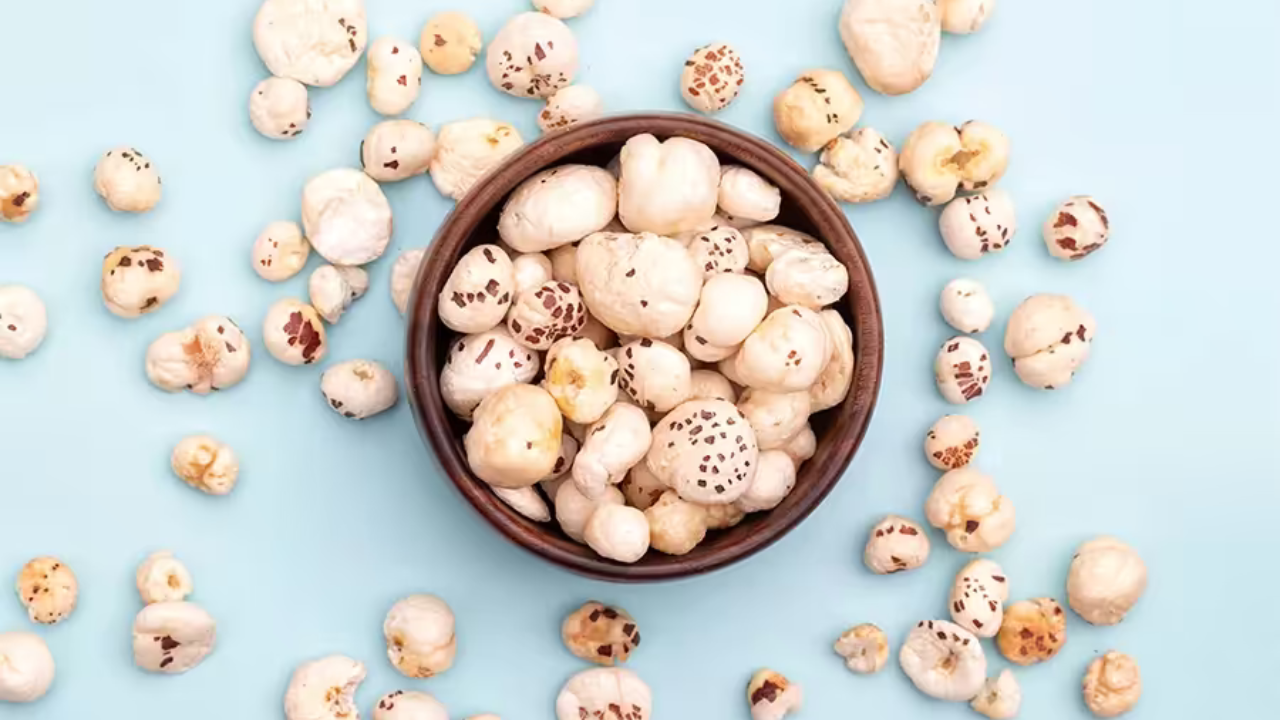
According to Bhavya Munjal, certified nutritionist, dietitian, and founder of Bfitworld, makhana is packed with powerful plant compounds such as flavonoids and polyphenols. These compounds, including kaempferol, are known for their antioxidant and anti-inflammatory properties. Regular consumption of makhana may help lower bad cholesterol (LDL) while improving good cholesterol (HDL), supporting overall heart health.
Munjal explains that consistent intake of makhana could reduce the risk of conditions such as atherosclerosis and hypertension. Its high fibre content promotes satiety, helping people feel full for longer periods. This can reduce frequent snacking, improve metabolism, and support healthy weight loss goals.
A Smart Snack for Diabetics
One of makhana’s standout features is its low glycaemic index, which helps maintain stable blood sugar levels. This makes it an excellent snack choice for people with diabetes. Roasted makhana can be safely consumed between meals without causing sharp glucose spikes.
Nutritionists also suggest that makhana can be transformed into healthier dessert options. When prepared with natural sweeteners like dates or jaggery in controlled quantities, it can be used in puddings and sweets while still retaining its nutritional value.
Best Way to Consume Makhana
Deepti Khatuja, Head Clinical Nutritionist at Fortis Memorial Research Institute, Gurgaon, recommends chopping makhana before roasting. This simple step helps check for insects or impurities inside the nuts and ensures more even roasting. Chopped makhana also turns crispier and absorbs spices and flavours more effectively, making it tastier and easier to digest.
Makhana can be eaten raw, dry-roasted, or lightly sautéed with minimal oil and spices, making it a versatile addition to both sweet and savoury dishes.
When Makhana Should Be Limited
Despite its many benefits, makhana is not suitable for everyone in large quantities. Edwina Raj, Head of Clinical Nutrition and Dietetics at Aster CMI Hospital, Bangalore, advises moderation, especially for individuals with a history of kidney stones.
Makhana contains oxalates, compounds that can contribute to kidney stone formation. Although oxalate levels reduce as the nut ripens, excessive intake may interfere with the absorption of essential minerals like calcium and magnesium in people prone to kidney stones. Such individuals should consume makhana only in recommended amounts and consult a healthcare professional if needed.
The Bottom Line
Makhana stands out as a nutritious, diabetic-friendly, and heart-healthy snack when consumed mindfully. While it offers multiple health advantages, portion control remains key to avoiding potential side effects. As with any superfood, balance and moderation are essential to reaping its full benefits.