
Stage 0 cancer, medically referred to as carcinoma in situ (CIS), represents the earliest identifiable phase of cancer development. At this point, abnormal cells are limited to the exact tissue layer where they originally formed and have not spread to deeper layers or nearby organs.
The phrase “in situ” means “in its original place,” highlighting that the abnormal growth is still localized. Although stage 0 cancer is non-invasive, doctors consider it a precancerous condition. If left untreated, these abnormal cells may gradually transform into invasive cancer. Detecting the condition early provides a strong chance to prevent progression and achieve better long-term outcomes.
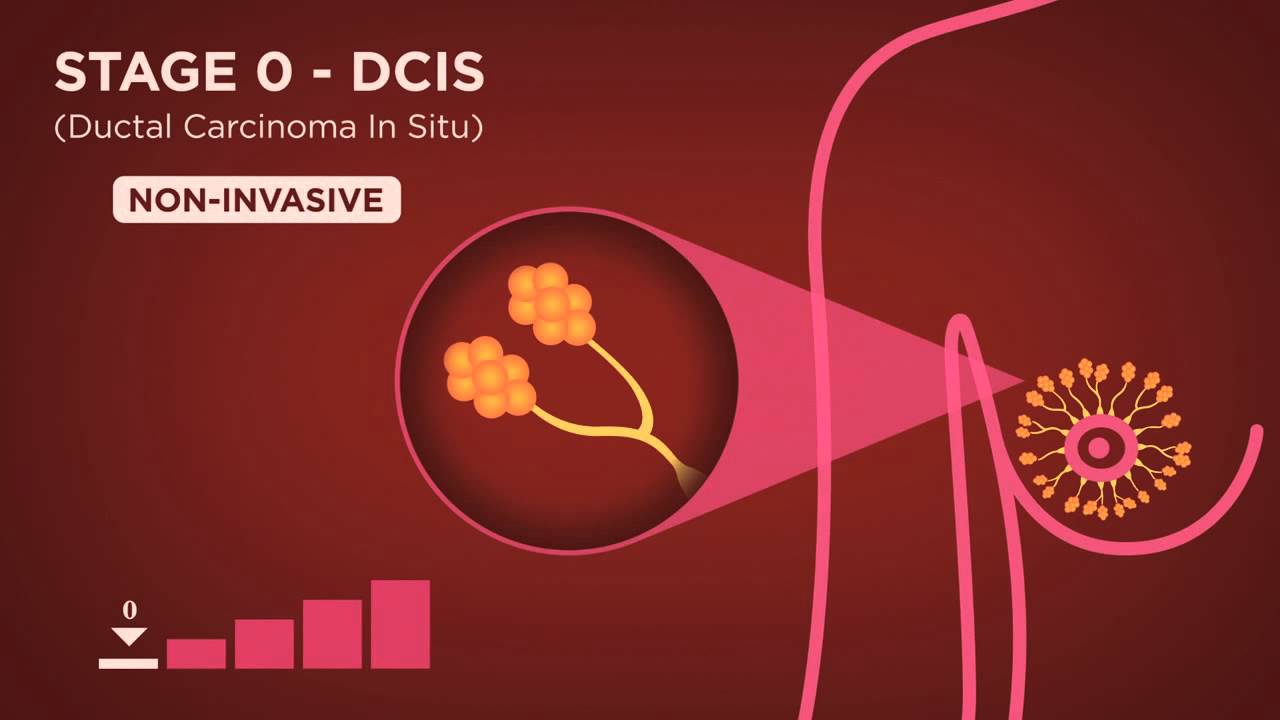
What Does Stage 0 Cancer Actually Mean?
Stage 0 cancer occurs when cells begin to show cancer-like changes but remain confined to their original location. Under microscopic examination, these cells appear abnormal, yet they have not invaded surrounding healthy tissues.
According to medical research, including findings referenced by the National Institutes of Health (NIH), carcinoma in situ can develop in different parts of the body. Common types include:
- Adenocarcinoma in situ – often found in the cervix, lungs, or digestive system
- Ductal carcinoma in situ (DCIS) – develops inside the milk ducts of the breast
- Squamous cell carcinoma in situ – affects areas such as the skin, mouth, throat, or vocal cords
Each type varies by location but shares the same early, non-invasive nature.
Possible Signs and Symptoms of Stage 0 Cancer
Most stage 0 cancers do not cause noticeable symptoms, especially when they affect internal organs. However, when abnormal cells appear on visible or easily examined areas, early warning signs may be detected.
1. Skin Changes
Carcinoma in situ on the skin commonly appears on sun-exposed areas like the face, neck, or arms. Possible signs include:
- Rough, scaly, or reddish patches that don’t fade
- Shiny or pearl-like spots that fail to heal
- Repeated crusting or peeling in the same area
2. Mouth and Oral Symptoms
When carcinoma in situ affects the oral cavity, symptoms may include:
- White or red patches that cannot be wiped away
- Thickened or rough areas on the lips, tongue, or gums
- Ongoing irritation or discomfort without a clear cause
These changes are more commonly seen in people who smoke, chew tobacco, or consume alcohol frequently.
3. Breast-Related Changes
Ductal or lobular carcinoma in situ is usually identified during routine mammograms, often before symptoms appear. In some cases, individuals may notice:
- A small lump
- Unusual nipple discharge
Such findings usually require imaging and further testing.
4. Cervical Cell Abnormalities
Cervical carcinoma in situ, also known as CIN, rarely causes visible symptoms. It is most often detected during Pap smear or HPV screening tests. While not cancer yet, these abnormal cells can become malignant if not treated in time.
5. Bladder-Related Warning Signs
Early bladder carcinoma in situ may cause mild urinary symptoms such as:
- Blood in the urine
- Frequent urge to urinate
- Burning sensation during urination
Because these signs can resemble common infections, regular medical check-ups are essential for accurate diagnosis.
Common Areas Where Stage 0 Cancer Can Develop
Since cancer begins with abnormal cell growth, carcinoma in situ may occur in many parts of the body. The most commonly affected areas include:
- Cervix – detected through Pap smear screening
- Breast – identified as DCIS or LCIS via mammograms
- Skin – often related to long-term sun or UV exposure
- Bladder – non-invasive lesions in the bladder lining
- Oral cavity – persistent red or white patches
- Eyes – conjunctival carcinoma in situ causing irritation or redness
Why Early Detection Matters
Stage 0 cancer offers a critical window for prevention. When diagnosed early, treatment can stop abnormal cells from becoming invasive cancer. Regular screenings, awareness of early warning signs, and timely medical consultation play a key role in protecting long-term health.
Disclaimer
This article is intended for educational and informational purposes only. It should not be used as a substitute for professional medical advice, diagnosis, or treatment. Always consult a qualified healthcare provider for concerns related to cancer or any other medical condition.