
The number of heart attack cases is rising sharply compared to previous decades, and doctors say not all heart attacks begin with dramatic chest pain. Some develop silently, showing only mild symptoms that many people ignore. Understanding these early signals can help save lives.
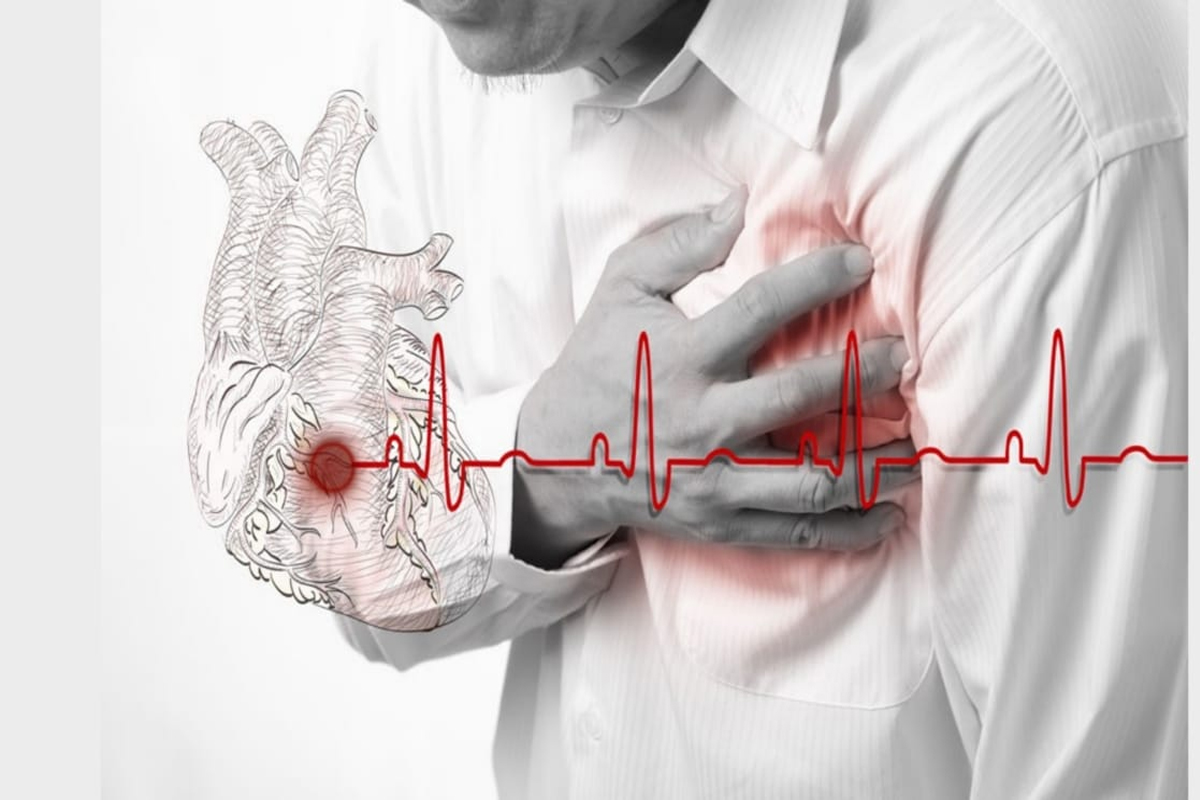
Fatigue: The First Hidden Signal of a Heart Attack
While most people associate heart attacks with sudden, intense chest pain – often shown dramatically in movies – cardiologists say the body usually gives subtle warnings first.
According to Dr. Pramod Kumar, a senior cardiologist at Fortis Hospital, New Delhi, persistent fatigue is one of the earliest signs of heart strain.
When the heart becomes weak, it struggles to pump enough blood to meet the body’s needs. As oxygen supply drops, the organs work harder, causing continuous tiredness or lethargy.
Dr. Kumar explains, “Fatigue that cannot be explained by sleep, diet, or stress may be the heart’s first SOS signal.”
Why Fatigue Is Often Ignored
Fatigue is usually blamed on age, long work hours, stress, or lack of sleep. But doctors warn that if tiredness continues even after proper rest, it should not be dismissed.
Inflammation and reduced oxygen supply drain the body’s energy, making fatigue a common yet overlooked heart symptom.
If fatigue appears along with mild breathlessness, indigestion, dizziness, or jaw pain, it may indicate an underlying heart issue.
What Is a Silent Heart Attack?
A silent heart attack occurs when blood flow to the heart muscle is blocked or reduced, but the person experiences no major chest pain.
Common symptoms include:
- Mild, unexplained fatigue
- Nausea
- Jaw or shoulder pain
- A burning sensation in the chest
- Discomfort mistaken for acidity
Although silent, this type of heart attack causes the same level of damage as a regular one.
Dr. Kumar warns that silent attacks are more dangerous because people reach the hospital late, by which time severe damage may have already occurred.
Who Is at Higher Risk?
Men and women can experience different symptoms.
- Men often report strong chest pain.
- Women, especially older or postmenopausal women, may feel fatigue, back pain, nausea, or shortness of breath instead.
Dr. Kumar says many women mistake heart attack symptoms for acidity or stress, causing dangerous delays in treatment.
When You Should See a Doctor
Seek medical help immediately if fatigue continues for weeks and is accompanied by:
- Shortness of breath
- Swelling in the legs
- Irregular heartbeat
Tests like ECG, echocardiograms, and blood pressure checks can help detect heart issues early.
“Understanding your body’s signals and consulting a doctor at the right time can be the difference between a manageable condition and a life-threatening emergency,” Dr. Kumar emphasizes.