
OpenAI CEO Sam Altman has acknowledged that the company made mistakes in the rollout of its latest flagship model, GPT-5, after users voiced frustration over the sudden removal of older models and changes to response quality.
Rollout Controversy
Shortly after GPT-5’s launch, OpenAI discontinued all previous models, forcing users to adopt the upgrade. This triggered a wave of backlash, with many threatening to cancel subscriptions. In response, the company restored GPT-4o for ChatGPT Plus users while also increasing rate limits for GPT-5 Standard and Thinking models.
OpenAI had positioned GPT-5 as a significant leap in AI — highlighting better coding, reasoning, accuracy, health applications, and multimodal abilities. However, many users reported that the model produced shorter answers with less emotional nuance, sparking criticism on social media.
Altman’s Admission
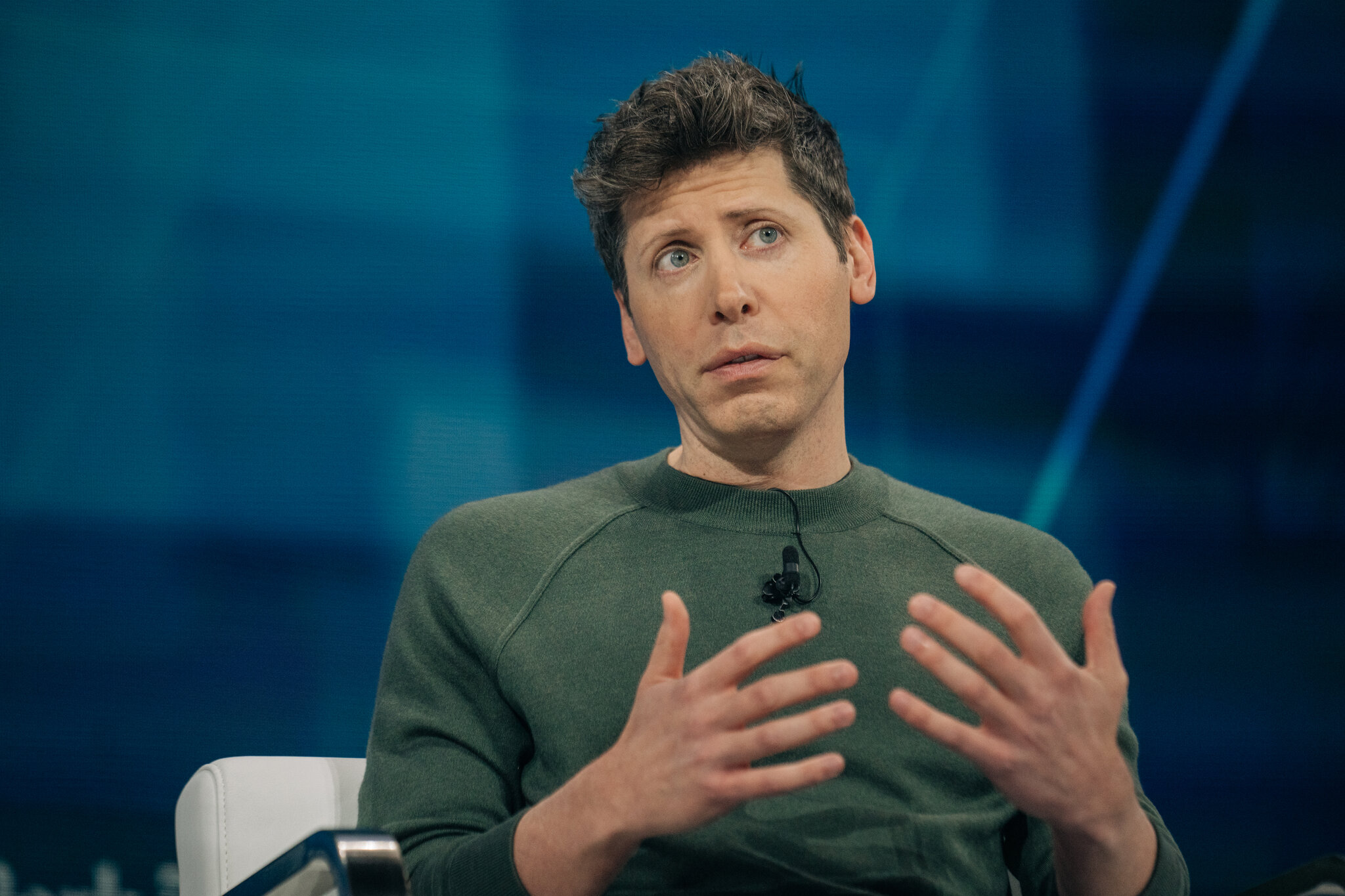
Speaking to reporters, Altman conceded, “I think we totally screwed up some things on the rollout.” He added that the company had learned valuable lessons about how users form attachments to AI tools and the challenges of upgrading a product for hundreds of millions of people overnight.
Despite the criticism, Altman revealed that ChatGPT API traffic doubled within 48 hours of the release and that app usage reached record highs. Still, he admitted that removing all older models at once had been a mistake.
Restoring Features After Backlash
Amid growing user pressure, OpenAI reintroduced the model picker, a feature that had been removed as part of the GPT-5 update. The decision highlighted the strong demand for user choice in AI interactions, despite Altman previously suggesting that GPT-5 would eliminate the need for switching between models.
Bigger Picture
OpenAI recently announced it had surpassed 700 million weekly users, making ChatGPT one of the most widely used AI platforms worldwide. The company had hoped GPT-5 would further accelerate growth, similar to how the launch of GPT-4o’s image generation tools earlier in the year drove a surge in global usage and a viral Studio Ghibli–style trend.
This time, however, the excitement around GPT-5 was tempered by criticism of its rollout strategy. OpenAI has since promised to make GPT-5 responses “warmer” and introduce improvements to better align with user expectations.