
High cholesterol is one of the biggest risk factors for heart disease and heart attacks. Doctors warn that people with elevated cholesterol must manage their lifestyle carefully, as uncontrolled levels can severely impact heart health. While medication remains essential for many patients, experts say several natural remedies can support cholesterol reduction — and garlic is among the most effective.
Garlic contains a bioactive compound called allicin, which scientists believe plays a key role in lowering harmful cholesterol levels. Beyond this benefit, garlic is also known for boosting immunity, reducing blood pressure, and providing strong antioxidant protection.
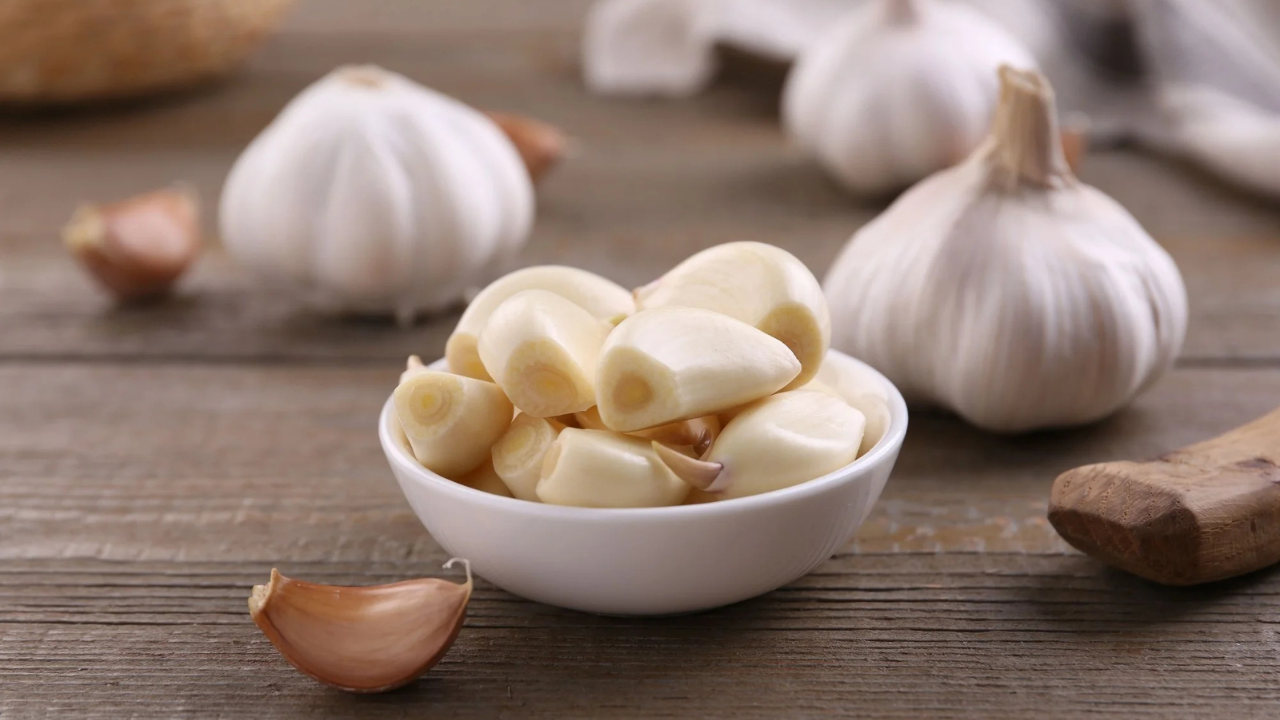
How Garlic Helps Reduce Bad Cholesterol (LDL)
Many studies have examined garlic’s impact on cholesterol levels. Allicin, a sulfur-based compound released when garlic is crushed or chewed, is believed to be responsible for most of its heart-health benefits.
According to research from the Institute of Lipid and Atherosclerosis Research in Israel, allicin may work by blocking the production of LDL (low-density lipoprotein) in the liver. It appears to bind to LDL receptors on liver cells, which may “switch off” LDL production at the cellular level.
While garlic does not affect HDL (good cholesterol), studies show it can reduce LDL levels by 6–9%, particularly when taken consistently over several weeks. Experts caution that the effect is dose-dependent — the more garlic consumed (within safe limits), the greater the reduction. However, they also note that garlic alone cannot replace cholesterol medications, and its impact may diminish once intake is stopped.
How Much Garlic Is Safe to Consume?
There are no strict medical guidelines for garlic dosage, but most studies suggest:
- 1–2 cloves of raw garlic per day is generally considered safe.
- Garlic can be eaten with or without food.
- Supplements may offer higher doses but could cause side effects.
Some people chew a peeled garlic pod early in the morning, claiming benefits within 15–20 days — though results vary based on individual health.
Possible Side Effects of Garlic
While raw garlic is safe for most people, supplements or high doses may cause:
- Strong garlic breath
- Body odour
- Gas or bloating
- Heartburn
- Diarrhoea
Garlic also has mild blood-thinning properties, making it unsuitable for people with bleeding disorders. Additionally, it may reduce the effectiveness of certain medications such as:
- Cyclosporine (used after organ transplants and for autoimmune diseases)
- Some anti-tuberculosis medications
Doctors advise consulting a healthcare professional before starting garlic supplements, especially if taking regular medication.