
New data shared by the World Health Organization (WHO) and published on ScienceDirect in April 2024 highlights an alarming rise in liver disease across the globe. Among the leading causes are non-alcoholic fatty liver disease (NAFLD) and alcohol-related liver disease. NAFLD has now emerged as the most widespread liver condition worldwide, contributing significantly to illness and premature deaths.
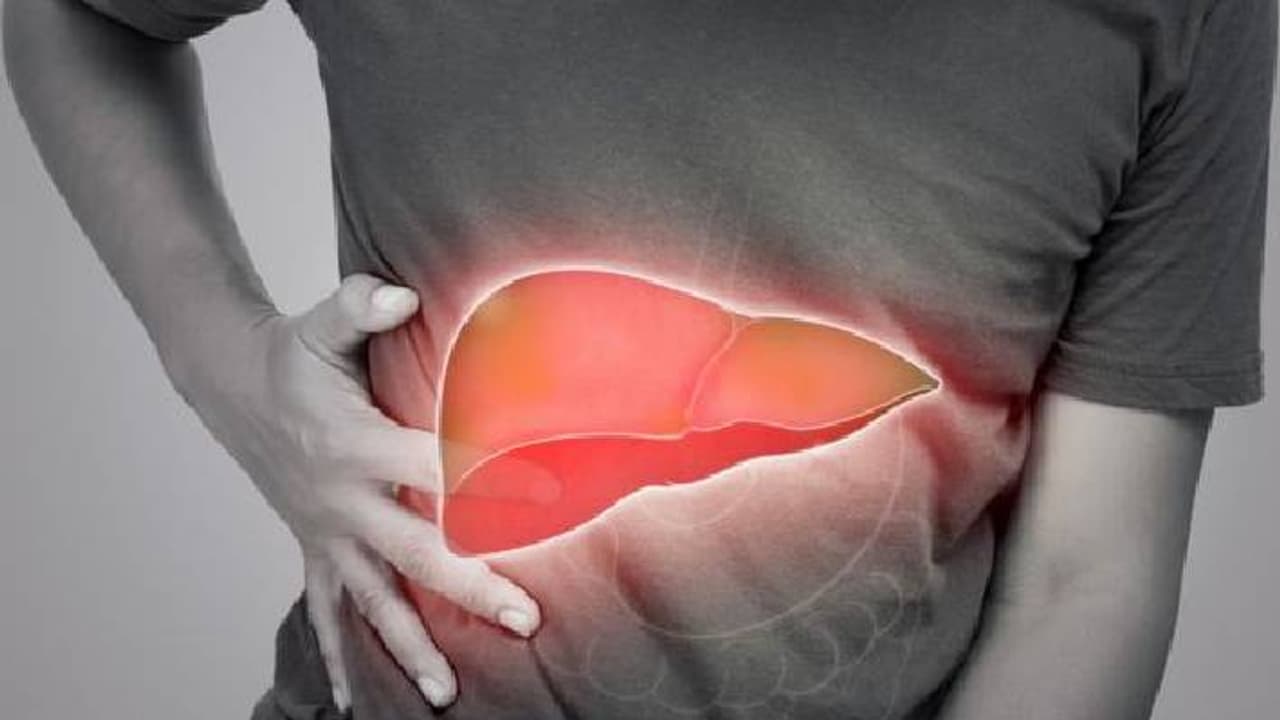
Health experts say that the good news is fatty liver disease is largely preventable and manageable through timely lifestyle and dietary changes. Making informed food choices, maintaining a healthy weight, and avoiding harmful habits can greatly lower the risk of liver damage.
Liver Doc Shares Diet Advice to Control Fatty Liver
Dr Cyriac Abby Philips, a well-known hepatologist popularly called “The Liver Doc” on social media, recently spoke about dietary strategies to reduce the risk and progression of fatty liver disease. In an Instagram post dated November 11, he outlined specific foods and habits that people—especially Indians—should restrict, avoid, or include for better liver health.
Foods and Fats to Strictly Limit
According to Dr Philips, four dietary items need serious restriction:
- Sugar-sweetened beverages
- Coconut oil and palm oil-based products
- Butter
- Ghee (clarified butter)
He emphasized that excessive intake of these fats and sugars can worsen liver fat accumulation and metabolic health.
Alcohol: A Complete No for Liver Health
Dr Philips stressed that alcohol is the single most harmful dietary component for the liver.
“If there is one thing that must be completely avoided to protect the liver, it is alcohol,” he stated. Even small amounts can accelerate liver damage, especially in people with existing fatty liver disease.
One Beverage That Helps the Liver
Interestingly, the hepatologist recommended unsweetened black coffee as a beneficial addition to the diet. Research suggests that regular consumption of black coffee may help reduce liver inflammation and slow disease progression when taken without sugar or cream.
What Exactly Is Fatty Liver Disease?
Explaining the condition, Dr Lorance Peter, Director of Gastroenterology and Hepatology at Sakra World Hospital, Bengaluru, said in a March 2024 interview that a healthy liver should contain no more than five percent fat. Fatty liver disease develops when excess fat accumulates in liver cells, impairing their normal metabolic function.
Doctors often detect fatty liver through a simple ultrasound scan, where the liver appears enlarged and unusually bright.
Types, Symptoms, and New Name
Fatty liver disease—also called hepatic steatosis—is broadly classified into:
- Alcoholic Fatty Liver Disease (AFLD), caused by heavy alcohol consumption
- Non-Alcoholic Fatty Liver Disease (NAFLD), linked to obesity, diabetes, and metabolic disorders
NAFLD has recently been renamed MASLD (Metabolic Dysfunction-Associated Steatotic Liver Disease) to better reflect its underlying causes.
Most people with fatty liver disease may not experience symptoms. However, some may notice mild discomfort or a sense of heaviness on the right side of the abdomen, especially after large meals.
Important Disclaimer
This article is based on publicly available information and user-generated content from social media platforms. Decodetimes.com has not independently verified the claims and does not endorse them.
This content is intended for informational purposes only and should not be considered a replacement for professional medical advice. Always consult a qualified healthcare provider for diagnosis and treatment.