
Understanding Heart Blockage: Signs Your Body Gives in Advance
The heart plays a vital role in keeping the body alive by pumping oxygen-rich blood to every organ. When the arteries supplying the heart become narrowed or blocked, it can lead to a serious condition known as coronary artery disease, commonly referred to as heart blockage.
Heart blockage does not occur suddenly. In most cases, the body sends multiple warning signals long before a major cardiac event happens. Recognizing these symptoms early can help prevent life-threatening complications such as heart attacks.
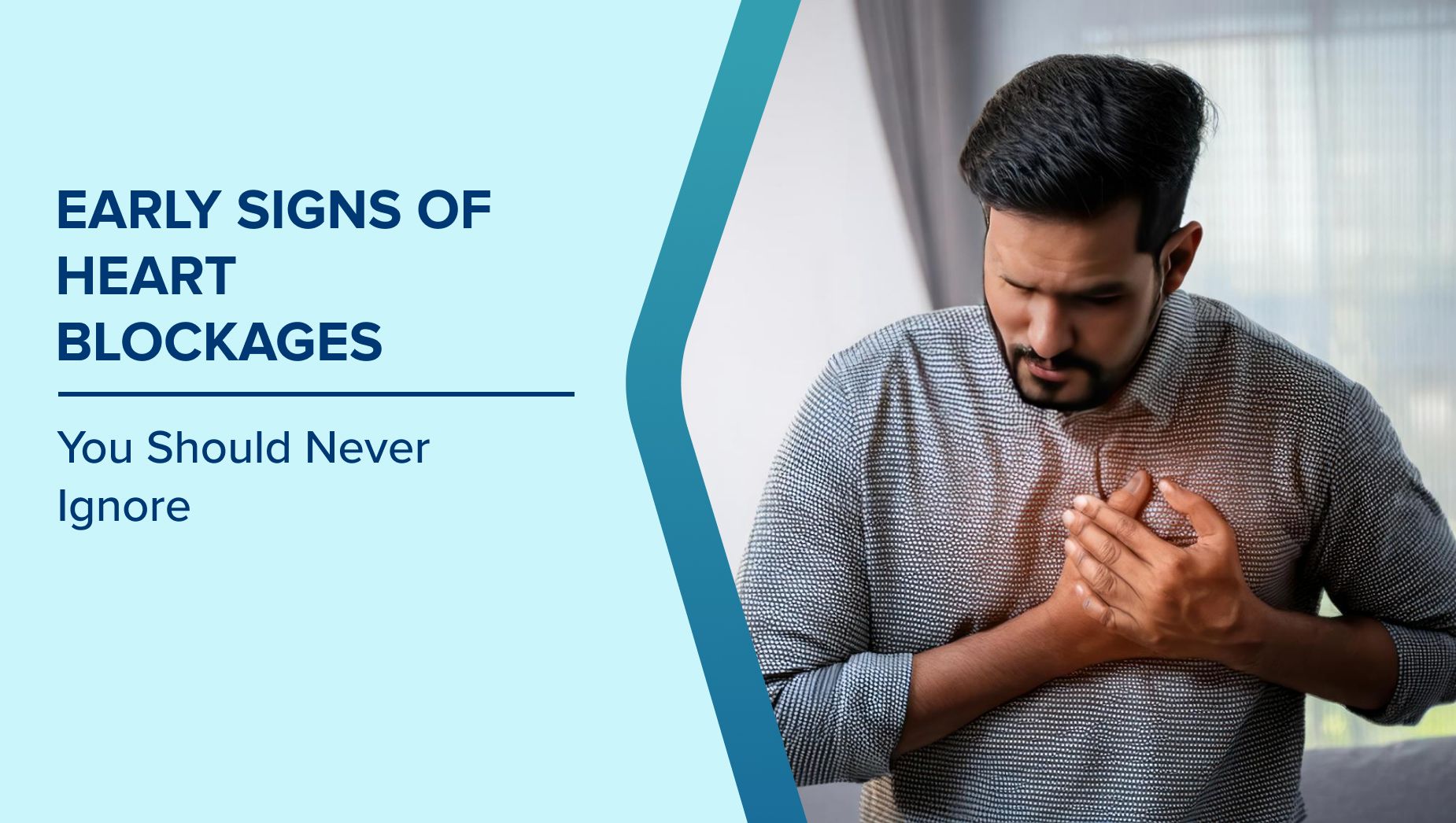
Key Symptoms of Heart Blockage to Watch Out For
Chest Pain or Discomfort
Chest pain is one of the most common signs of heart blockage. People often describe it as pressure, heaviness, burning, or tightness in the chest. This discomfort, medically known as angina, usually appears during physical activity or emotional stress and may reduce with rest.
Shortness of Breath
Feeling breathless after mild exertion, such as walking short distances or climbing stairs, may indicate that the heart is struggling to pump enough blood. This symptom should never be ignored and requires immediate medical attention.
Unusual Fatigue
Persistent tiredness after routine daily activities can be a red flag. When the heart cannot supply adequate oxygen to the body, even simple tasks may leave you feeling exhausted.
Pain in the Arm, Neck, Jaw, or Back
Heart-related pain is not always limited to the chest. Discomfort may radiate to the left arm, neck, jaw, shoulders, or back. Many people mistake this for muscle pain, but it can be a warning sign of blocked arteries.
Irregular Heartbeat
A racing, slow, or irregular heartbeat accompanied by dizziness, fainting, or lightheadedness may signal reduced blood flow to the heart due to blockage.
Common Causes and Risk Factors of Heart Blockage
Several lifestyle and health-related factors increase the risk of developing heart blockage, including:
- High cholesterol levels
- High blood pressure
- Smoking
- Diabetes
- Lack of physical activity or prolonged sitting
- Obesity
- Family history of heart disease
Why Awareness Matters
Understanding the early signs and causes of heart blockage can help individuals take timely action. Simple lifestyle changes, regular health check-ups, and prompt medical care can significantly reduce the risk of severe heart complications.
Staying informed today could save your life tomorrow.