
Microsoft AI CEO Mustafa Suleyman has issued a strong warning to the artificial intelligence industry, urging companies to rethink how they approach AI safety as the race toward advanced and superintelligent systems accelerates. According to Suleyman, the sector is making a dangerous mistake by treating AI “alignment” as a substitute for actual control.
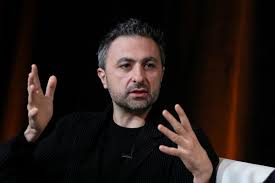
In a recent post on X (formerly Twitter), Suleyman stressed that developers must clearly distinguish between containment and alignment—two concepts that are often wrongly used interchangeably in AI discussions.
“You can’t steer something you can’t control,” Suleyman wrote. “Containment has to come first — or alignment is the equivalent of asking nicely.”
Why Containment Matters More Than Alignment
Suleyman explained that containment refers to the ability to strictly limit what an AI system can do. This includes enforcing hard boundaries, restricting autonomy, and ensuring systems operate only within predefined rules. In contrast, alignment focuses on shaping AI behavior so it appears to share human values and avoids causing harm.
While alignment aims to make AI “care” about human outcomes, Suleyman warned that relying on alignment alone is risky if developers lack the ability to shut down, restrict, or override systems when necessary.
In simple terms, alignment without containment assumes AI will always choose to behave safely—an assumption Suleyman believes is dangerously optimistic.
A Growing Concern as AI Capabilities Expand
The warning comes at a time when AI models are becoming more powerful, autonomous, and integrated into critical sectors such as healthcare, finance, and national infrastructure. As companies compete to build increasingly capable systems, Suleyman cautioned that safety frameworks must evolve just as quickly.
He argued that true AI safety begins with enforceable controls, not voluntary cooperation from machines. Without robust containment mechanisms, even well-aligned systems could behave unpredictably or exceed human oversight.
Microsoft’s Position on AI Safety
Suleyman’s comments also reflect Microsoft’s broader stance on responsible AI development. As one of the world’s largest investors in artificial intelligence, the company has repeatedly emphasized the importance of governance, safety guardrails, and human oversight.
By highlighting the difference between containment and alignment, Suleyman is pushing the industry toward a more realistic and technically grounded approach to AI risk management—one that prioritizes control before trust.
The Takeaway
As artificial intelligence moves closer to human-level and beyond-human capabilities, Suleyman’s message is clear: before teaching AI to do the right thing, developers must ensure they can stop it from doing the wrong thing. Without containment, alignment alone may not be enough to protect humanity from unintended consequences.