
Microsoft AI CEO Mustafa Suleyman has shared his views on the growing competition between leading AI assistants, stating that Google’s Gemini 3 and Microsoft’s Copilot each bring unique strengths to the table.
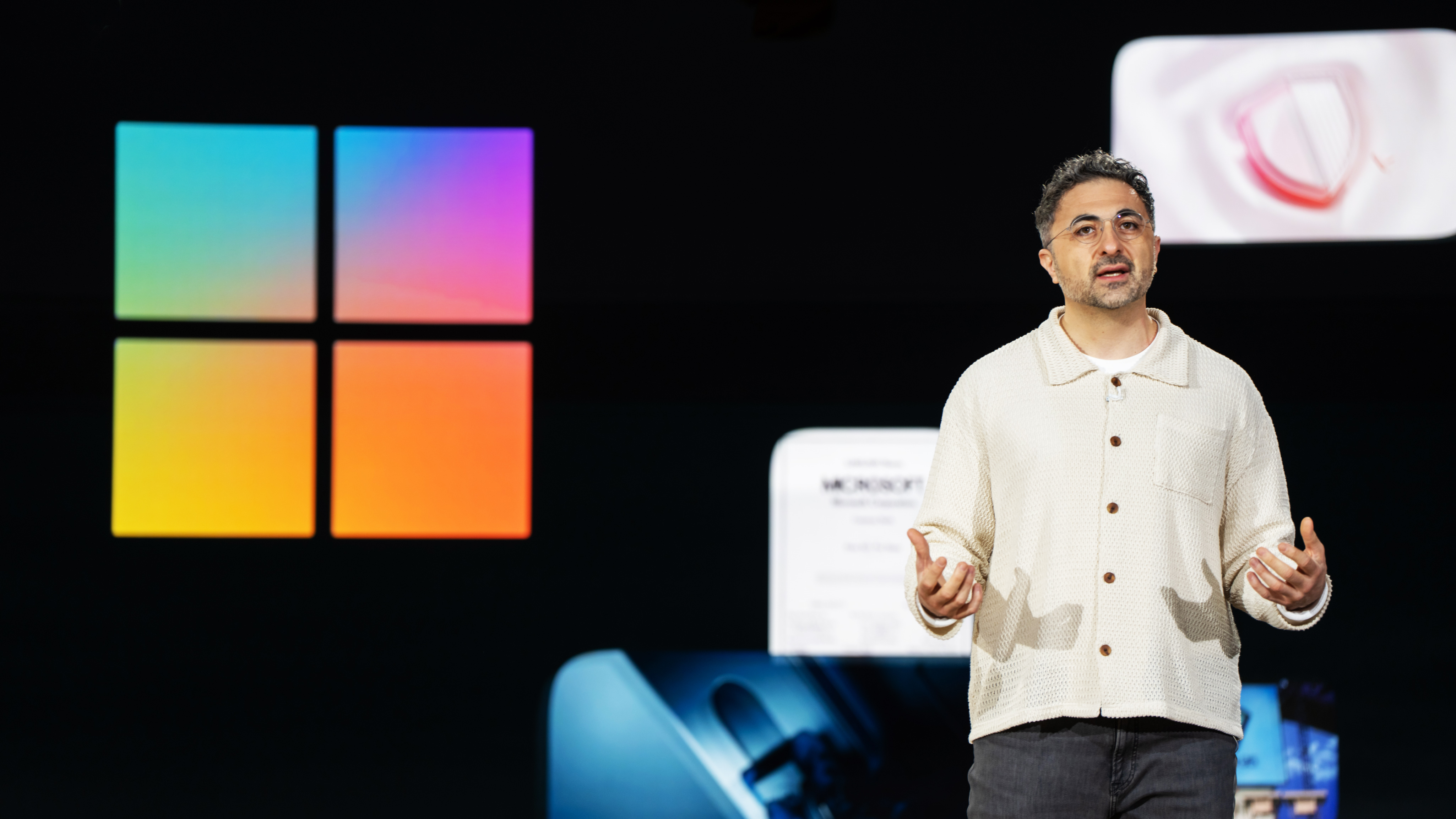
Speaking in a recent interview with Bloomberg, Suleyman was asked whether Google’s newly launched Gemini 3 chatbot outperforms Microsoft’s Copilot. In response, he acknowledged Gemini 3’s advanced capabilities, noting that it can perform certain tasks Copilot currently cannot. However, he was quick to add that Copilot also offers features missing from Google’s AI model.
Suleyman highlighted Copilot’s strong visual intelligence as one of its key advantages. According to him, Copilot can interpret what users see in real time, making it especially useful for interactive assistance. Users can share their screens on mobile or desktop, discuss on-screen content, and receive instant feedback, creating a more immersive and practical AI experience.
“We’re really trying to imagine the day-to-day experience of having a highly intelligent assistant at your side—one that can help unblock you whenever you get stuck,” Suleyman said, underlining Microsoft’s vision for Copilot as a real-time productivity companion.
The comments come shortly after Google introduced Gemini 3, its most advanced AI chatbot to date, intensifying competition in the rapidly evolving AI assistant space.
Beyond product comparisons, Suleyman also issued a stark warning about the future costs of artificial intelligence development. Speaking on the Moonshots with Peter Diamandis podcast, released on Wednesday, he said that staying competitive in AI will require investments running into hundreds of billions of dollars over the next decade.
He explained that the expense goes far beyond computing hardware, citing soaring costs associated with hiring elite AI researchers and engineers. Suleyman described frontier AI development as an industrial-scale operation, similar to large construction projects.
Drawing a comparison, he said Microsoft’s AI push resembles a massive build-out where vast teams assemble gigawatts of computing power using CPUs and specialised AI accelerators. Due to the sheer scale and long-term financial commitment required, Suleyman believes large, well-established companies are better positioned to sustain AI innovation than smaller players.