
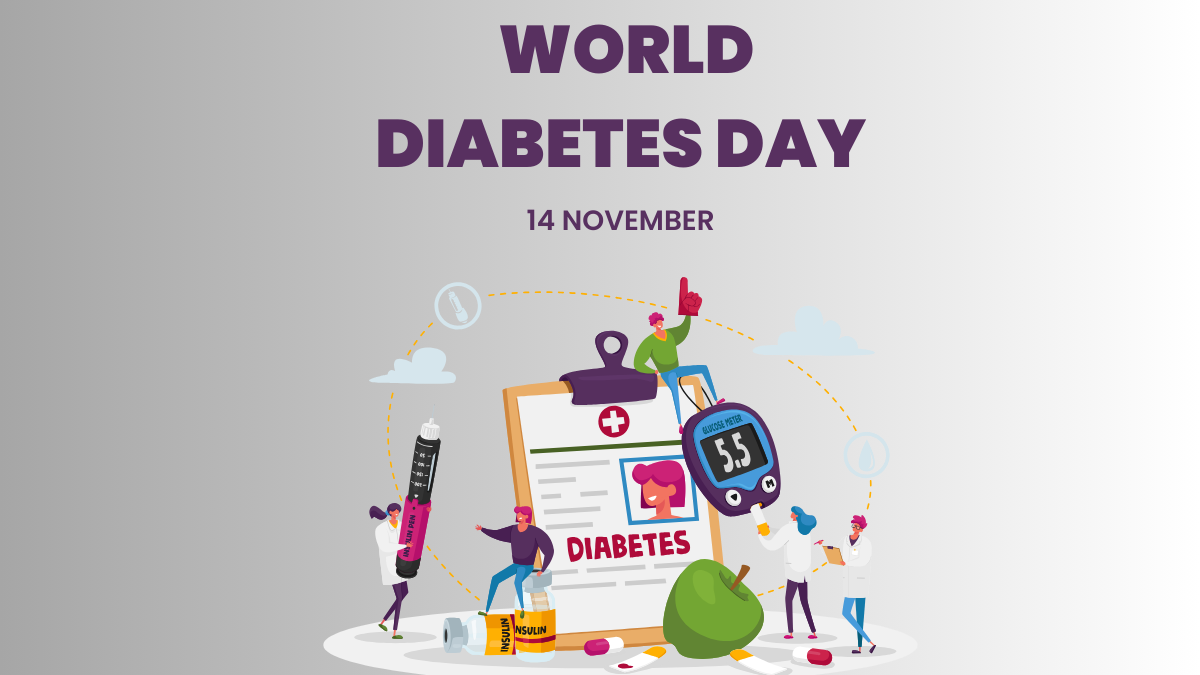
Every year on November 14, the world marks World Diabetes Day to raise awareness about the growing impact of diabetes, along with its prevention and long-term management. The theme for World Diabetes Day 2025, “Diabetes and the Workplace,” highlights the need for better health support across all life stages — including professional environments where stress, lifestyle habits, and routine often influence metabolic health.
While many people recognize the common symptoms of diabetes — such as excessive thirst, frequent urination, and sudden weight loss — there are several lesser-known symptoms that especially affect women. These subtle signs are often overlooked or mistaken for everyday stress, hormonal fluctuations, or ageing, allowing diabetes or pre-diabetes to progress silently.
This year, health experts urge women to pay closer attention to these hidden symptoms. With unique risk factors such as pregnancy-related changes, hormonal shifts, Polycystic Ovary Syndrome (PCOS), and vascular differences, women may experience early signs of diabetes that are easy to dismiss. Identifying these early red flags can help prevent complications affecting the heart, kidneys, nerves, eyes, and reproductive health.
Why Women Need to Be Extra Cautious
Doctors explain that women often misinterpret metabolic symptoms as routine tiredness from managing work, home, family, and personal responsibilities. Factors like irregular sleep, mood changes, and menstrual disturbances may mask underlying glucose imbalance. Early detection, however, plays a crucial role in preventing long-term organ damage.
Here are some lesser-known diabetes symptoms women must watch out for:
1. Recurrent Vaginal or Urinary Infections
High blood sugar levels weaken the immune system, making women prone to frequent yeast infections and UTIs. If infections recur despite treatment, it may be time to get blood sugar levels checked.
2. Skin Changes: Dark Patches & Slow-Healing Wounds
Dark, velvety patches around the neck, underarms, or body folds — known as Acanthosis Nigricans — often indicate insulin resistance. Slow-healing cuts, bruises, or wounds are also significant early signs of glucose imbalance.
3. Menstrual Irregularities, PCOS & Fertility Problems
PCOS is strongly linked with insulin resistance. Symptoms like irregular cycles, acne, excess facial hair, and infertility may point toward pre-diabetes or Type 2 diabetes progression.
4. Unexplained Joint Pain or Stiffness
Chronic joint pain — particularly in the shoulders, hands, or feet — is often misunderstood as stress or ageing. Experts say these symptoms can precede a diabetes diagnosis due to changes in connective tissue.
5. Persistent Fatigue, Brain Fog & Mood Swings
When cells cannot use glucose efficiently, energy levels drop. This leads to constant tiredness, difficulty focusing, irritability, and mood fluctuations. If fatigue becomes frequent, it’s important to seek medical evaluation.
6. Skin & Nail Issues: Dryness, Hair Thinning & Brittle Nails
Changes in skin texture, increased dryness, thinning hair, and brittle nails may be linked to microvascular changes caused by high sugar levels over time.
7. Subtle Heart Symptoms: Mild Chest Tightness or Palpitations
Women may experience silent cardiovascular symptoms like irregular heartbeat, jaw or arm discomfort, or mild chest tension — different from classic heart pain. These can indicate early diabetic heart involvement.
Recognising these subtle signs early allows women to seek timely screening, adopt lifestyle changes, and reduce the risk of long-term complications. On this World Diabetes Day, health professionals encourage women to prioritise screening, especially if they notice recurring or unexplained symptoms.