
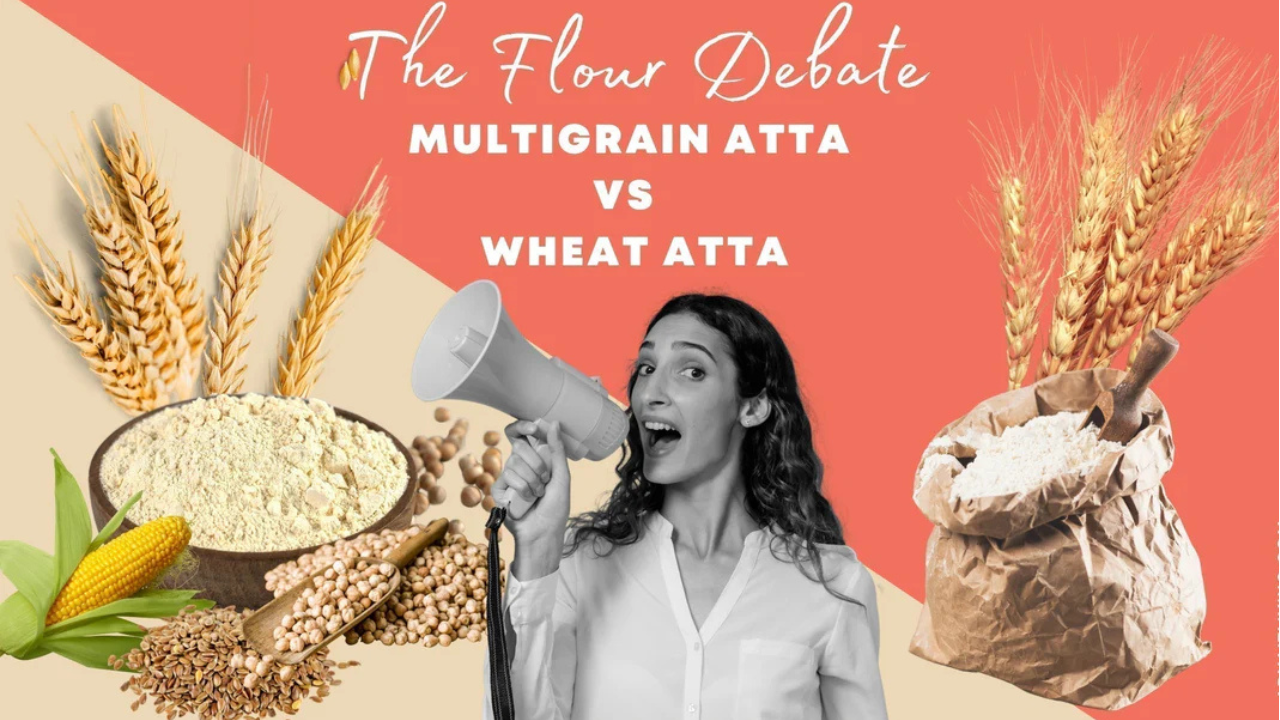
In today’s health-conscious world, the type of flour we use daily plays a crucial role in maintaining overall wellness. Among the most popular options, multigrain atta and whole wheat atta stand out for their nutritional benefits. But which one is truly better for your diet and long-term health? Let’s explore their differences, benefits, and which might suit your body’s needs better.
What is Whole Wheat Atta?
Whole wheat atta is made by grinding the entire wheat grain, including the bran, germ, and endosperm. This ensures that none of the natural fiber, vitamins, or minerals are lost during processing. It’s rich in dietary fiber, protein, iron, and magnesium, making it a staple in Indian households.
Health benefits of whole wheat atta:
- Promotes digestion and prevents constipation due to its high fiber content.
- Keeps you fuller for longer, supporting weight management.
- Helps regulate blood sugar levels, making it a better choice for diabetics.
- Supports heart health by reducing LDL (bad) cholesterol.
What is Multigrain Atta?
Multigrain atta is a blend of two or more grains, typically including wheat, oats, ragi, barley, maize, jowar, and millet. Each grain contributes unique nutrients, resulting in a flour that’s higher in fiber, protein, and antioxidants than regular wheat flour.
Health benefits of multigrain atta:
- Provides a broader range of nutrients like calcium, iron, and essential amino acids.
- Improves metabolism and energy levels due to slow-digesting complex carbs.
- Enhances gut health with diverse fibers.
- Can aid in weight loss and diabetes control, when consumed in moderation.
Multigrain Atta vs Whole Wheat Atta: Key Differences
| Nutrient/Benefit | Whole Wheat Atta | Multigrain Atta |
|---|---|---|
| Ingredients | 100% wheat | Blend of 2+ grains (e.g., wheat, millet, oats, etc.) |
| Fiber | High | Higher (due to multiple grains) |
| Protein | Moderate | Higher (depending on grain mix) |
| Glycemic Index (GI) | Moderate | Lower (better for blood sugar control) |
| Taste & Texture | Traditional wheat flavor | Richer, nuttier taste |
| Digestibility | Easily digestible | Slightly heavier, varies by grain mix |
Which One Should You Choose?
- For diabetics: Multigrain atta is usually a better choice because it has a lower glycemic index and helps manage blood sugar levels effectively.
- For weight loss: Both are good options, but multigrain atta can be more satiating, reducing hunger pangs.
- For digestion: Whole wheat atta is gentler on the stomach and suitable for daily use.
- For overall nutrition: Multigrain atta offers a wider nutrient spectrum and supports long-term vitality.
However, it’s essential to check the ingredient label when buying packaged multigrain atta. Some commercial brands add refined flour (maida) or artificial flavoring, which reduces the health benefits. Opt for homemade or trusted brands with whole grains and no additives.
Expert Tip:
Nutritionists recommend rotating your flour choices instead of sticking to one type. You can mix whole wheat atta with millet or ragi flour in a 3:1 ratio to get the best of both worlds — fiber, nutrients, and easy digestibility.
Final Takeaway
Both multigrain atta and whole wheat atta are healthy, but your choice depends on your dietary needs, lifestyle, and health goals.
If you want balanced nutrition and better metabolic health, multigrain atta is a smart pick.
If you prefer simplicity and easy digestion, whole wheat atta remains an excellent, traditional option.