
Utah, USA: Authorities have identified the suspect involved in the fatal shooting of right-wing activist Charlie Kirk at Utah Valley University (UVU) as Tyler Robinson, a 22-year-old local resident of Utah, according to law enforcement sources cited by The New York Post.
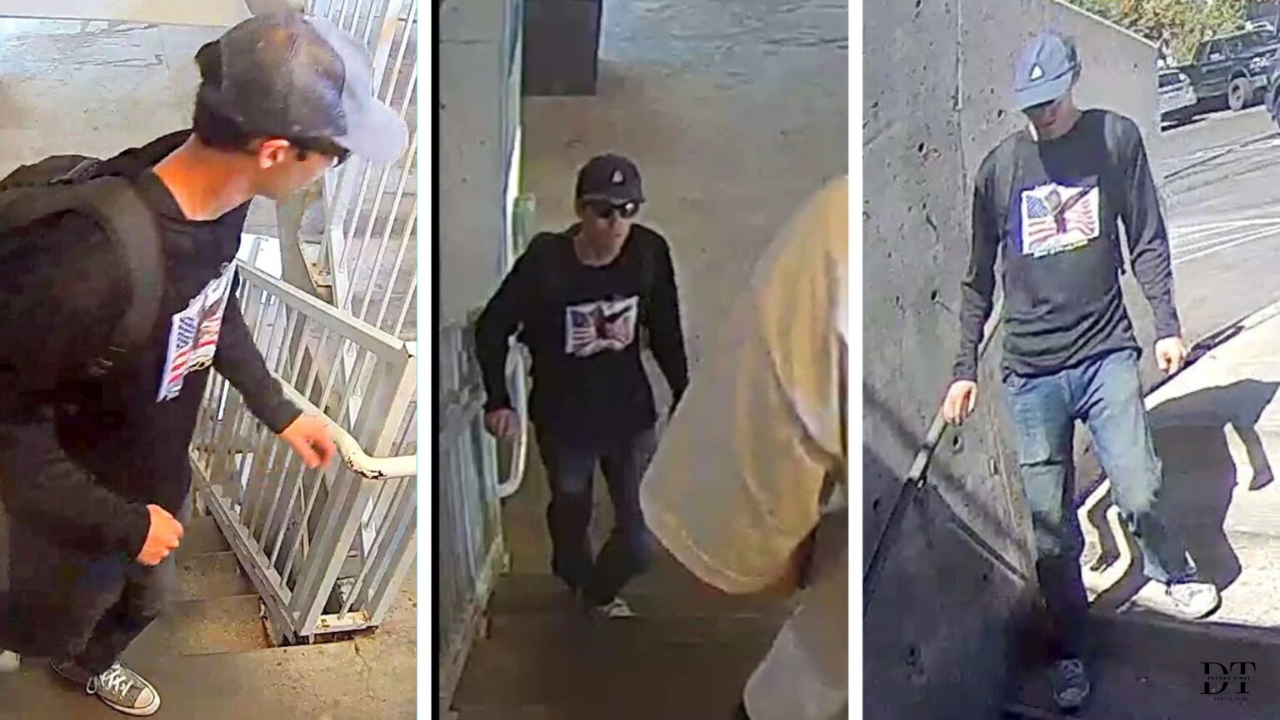
During a live interview early Friday, former President Donald Trump revealed that the suspect was turned in by his own father. While Trump did not disclose the name, investigators later confirmed Robinson’s identity during a press briefing.
5 Key Facts About Tyler Robinson
1️⃣ Suspect in Custody
Law enforcement confirmed that Tyler Robinson is in custody for the fatal shooting of Charlie Kirk on Wednesday, September 10. Officials say he is a resident of Utah with no prior criminal record.
2️⃣ Arrival Captured on Camera
Utah Governor Spencer Cox stated that Robinson arrived at the UVU campus in a Dodge Challenger at approximately 8:29 a.m. on the day of the incident. His vehicle and movements were captured on CCTV, which helped investigators identify him.
3️⃣ Arrest Details
Investigators located Robinson on September 12. He was reportedly wearing a plain maroon T-shirt, light-colored shorts, a black hat with a white logo, and light-colored shoes—matching the clothing seen in the video footage.
4️⃣ Motive and Family Statements
A family member told investigators that Robinson had recently expressed dislike for Kirk’s political views. During a dinner before September 10, Robinson allegedly said Kirk was “full of hate and spreading hate.” His family noted that he had become “more political” in recent months.
5️⃣ No Criminal History
Searches of state and federal public records linked to Robinson’s name or date of birth revealed no prior criminal history, according to NBC News.
Community & Political Reaction
The incident has sparked widespread outrage and renewed debates about political violence in the United States. Officials have called for calm as the investigation continues. Robinson could face serious charges, including murder, depending on the outcome of the trial.