
Kozhikode, Kerala – The Kerala health department has raised an alert after three consecutive cases of the rare and often fatal disease, Primary Amoebic Meningoencephalitis (PAM), were reported in Kozhikode district. Tragically, a nine-year-old girl lost her life, while a three-month-old infant and another patient are currently undergoing treatment.
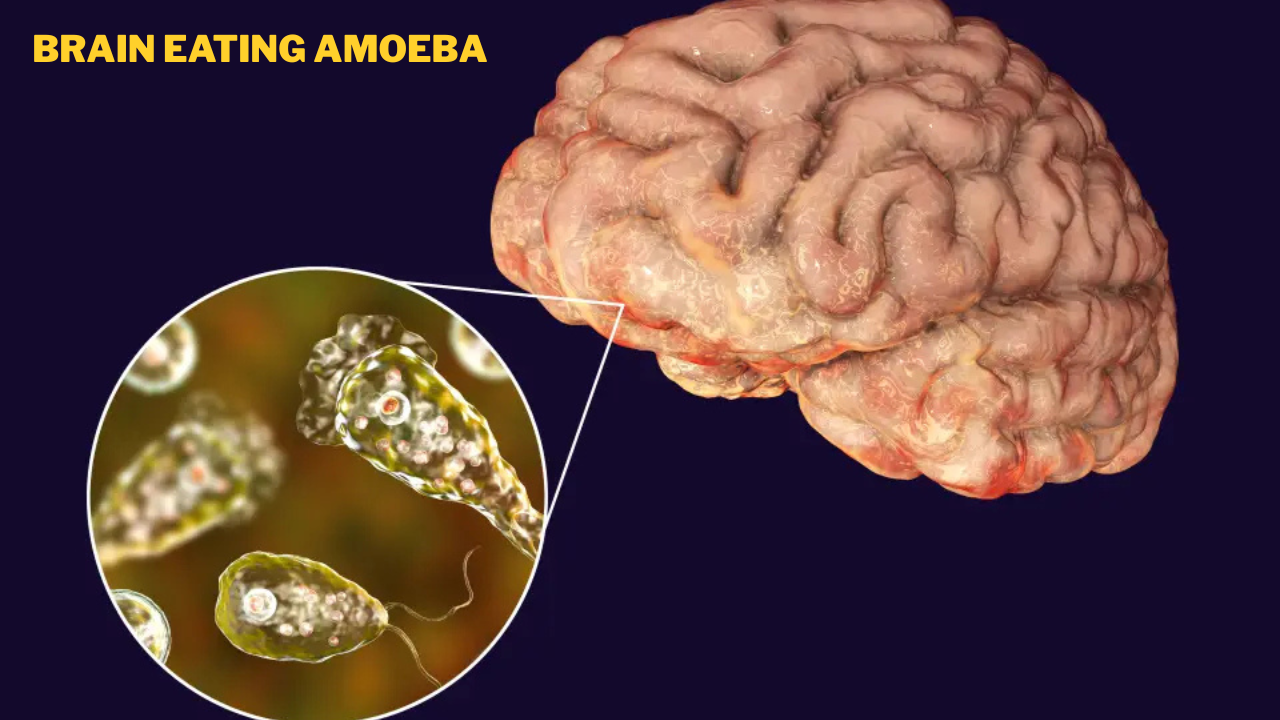
The disease is caused by Naegleria fowleri, commonly known as the “brain-eating amoeba”, which is typically found in warm freshwater and soil. Infection occurs when contaminated water enters the body through the nose. Kerala has already recorded eight cases and two deaths in 2025, including one in Thamarassery on August 14.
No Common Source Found
According to health officials, the three recent cases emerged from different villages with no shared source of infection. One concerning case involves a three-month-old baby, where officials are still unsure how the amoeba entered the body. Experts explain that while Naegleria fowleri is mostly linked to water exposure, other amoeba such as Acanthamoeba can also cause the disease. Unlike Naegleria fowleri, Acanthamoeba-induced infections may not always be waterborne and can have a longer incubation period ranging from days to months.
Kerala’s Unique Situation
The first case of PAM in India was reported in 1971, while Kerala recorded its first case in 2016. Between 2016 and 2023, the state reported just eight cases. However, last year alone saw 36 confirmed cases and nine deaths. Globally, PAM has a staggering 97% fatality rate, but Kerala has managed to reduce this to about 25% through early detection and treatment. In July 2024, Kerala witnessed a breakthrough when a 14-year-old boy from Kozhikode became India’s first survivor of PAM — only the 11th survivor recorded worldwide.
Rising Cases Linked to Climate & Testing
Experts suggest that the rise in cases may be linked to increased AES (Acute Encephalitis Syndrome) testing, environmental pollution, and climate change, which favors amoeba growth in warm waters. Last year, Kerala became the first state in India to introduce a special treatment protocol and standard operating procedure for managing amoebic meningoencephalitis, helping doctors respond faster to new cases.
Health officials continue to urge caution, emphasizing preventive measures such as avoiding swimming or bathing in stagnant warm water, and ensuring that water does not enter the nasal passages.