
OpenAI CEO Sam Altman has revealed unsettling details about the company’s latest AI model, GPT-5, which is expected to debut in August 2025. Drawing a chilling parallel, Altman compared the scale and potential risks of GPT-5’s development to the Manhattan Project, the secret U.S. nuclear initiative during World War II.
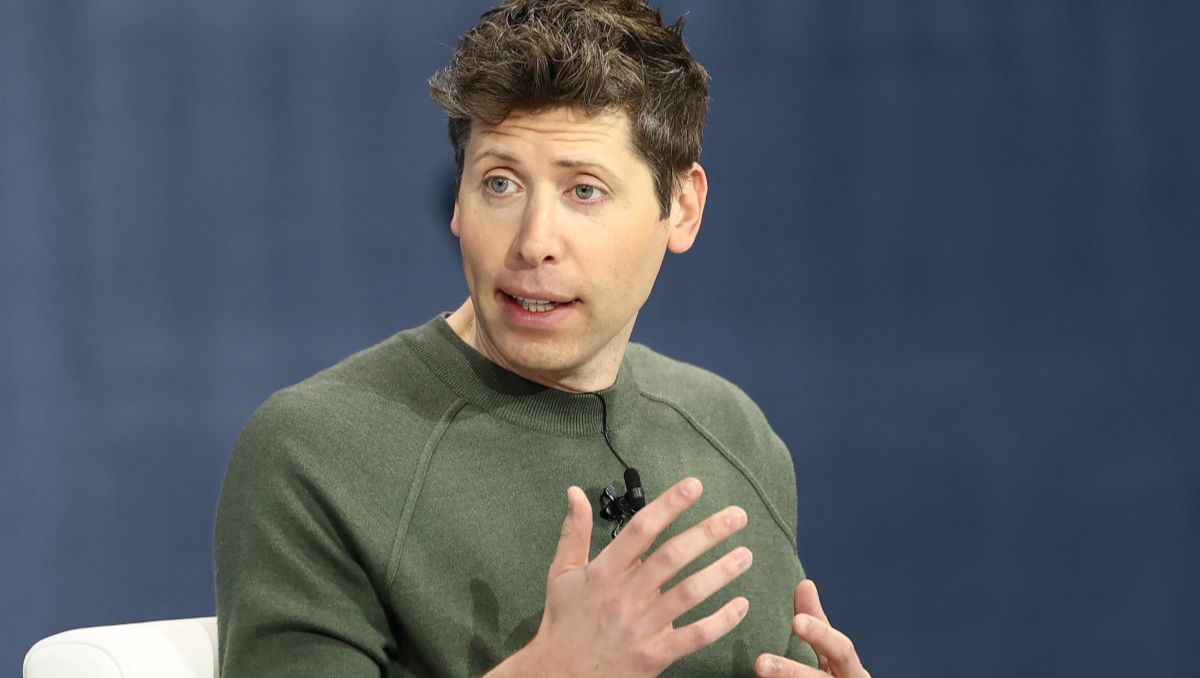
With GPT-5 touted as a monumental leap over its predecessor, Altman expressed concern over the absence of global oversight and regulation, even as Microsoft and investors apply pressure to accelerate deployment. Meanwhile, fraud and cybersecurity experts warn that generative AI tools are already being exploited at scale, raising red flags about their potential misuse.
From GPT-4 to GPT-5: A Quantum Leap in AI?
While OpenAI has yet to reveal the official specifications of GPT-5, early reports suggest massive improvements over GPT-4. These include:
- Advanced multi-step reasoning
- Significantly longer memory retention
- Enhanced multimodal processing (text, image, audio, and possibly video)
Altman confidently stated, “GPT-4 is the dumbest model any of you will ever have to use again, by a lot.” Such remarks hint at the unprecedented intelligence and capabilities GPT-5 is expected to deliver.
For users already impressed by GPT-4, the new version could revolutionize workflows, content creation, and even the foundation of decision-making in business and education.
Why GPT-5 May Be a Tipping Point for AI Oversight
As GPT-5 nears public release, industry leaders and researchers are calling for more robust ethical frameworks and global AI governance to prevent misuse. The combination of rapid deployment, lack of regulations, and mass adoption has some experts worried that powerful AI models like GPT-5 could outpace human control.
Altman’s admission that testing GPT-5 made him “nervous” underlines a growing internal awareness of AI’s double-edged potential—innovation versus risk.